Crimp, Chill, Reheat: The Honest Science of Keeping a Pasty Worth Eating
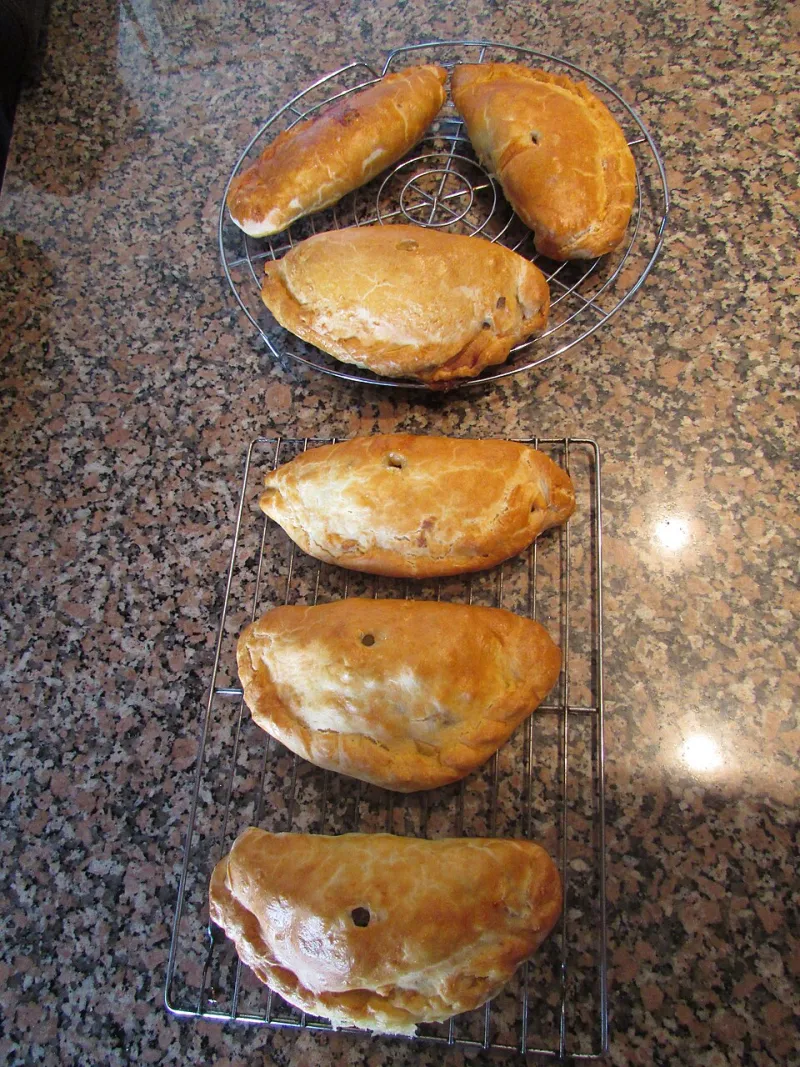
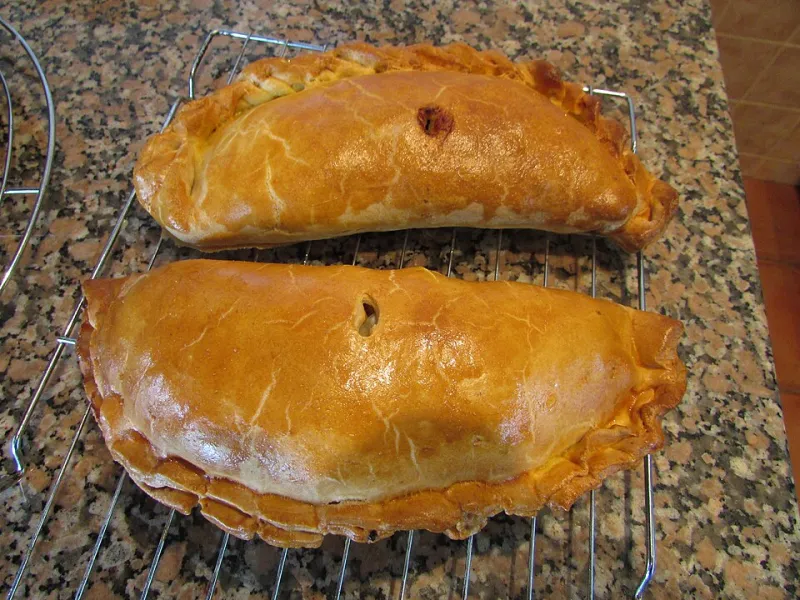
Photo: Kolforn (Kolforn) I'd appreciate if you could mail me ([email protected]) if you want to use this picture out of the Wikimedia project scope. This file is licensed under the Creative Commons Attribution-Share Alike 4.0 International license. Yo
There's a quiet tragedy that happens in British kitchens every Sunday evening. A batch of beautiful homemade pasties goes into the freezer, full of hope, only to emerge three weeks later soggy, stale and frankly a bit sad. I've eaten enough disappointing reheated pasties to know this pain personally.
So we ran a proper experiment. Twelve pasties, identical recipe, subjected to every storage and reheating method we could think of. Here's what a fortnight of cold pastry science taught us.
What Freezing Actually Does to Shortcrust
Shortcrust is essentially flour, fat and just enough water to hold it together. When you freeze it, that water forms ice crystals, and those crystals are what make or break your pastry. Freeze slowly (as most home freezers do when you shove things in on top of the peas) and large crystals form. Large crystals rupture the delicate layers of fat and flour, which is why badly frozen pastry turns crumbly and leaks filling.
The fix is surprisingly simple: freeze pasties as quickly as possible. Put them on a tray, uncovered, in the coldest part of the freezer for an hour first. Once rock solid, wrap them tightly in cling film and foil — double protection stops freezer burn, which is just dehydration wearing a fancy name.
Properly done, a frozen pasty holds up brilliantly for a month. Beyond that, the filling starts drying out even if the pastry survives.
The Fridge Is Not Your Friend
Here's a finding that surprised us: the fridge did more damage than the freezer. Pastry stored in the fridge for three days went stale faster than an identical pasty kept in the freezer, because refrigeration temperatures sit right in the sweet spot for starch retrogradation — the process that turns soft bread into stale bread. It's the same reason you should never keep bread in the fridge.
If you're eating a pasty within a day or two, keep it in a sealed container at room temperature (food safety permitting, based on your filling). Anything longer, freeze it. The fridge middle ground is the worst of both worlds.
The Reheating Showdown: Air Fryer vs Oven vs Microwave
We took three day-old pasties and reheated each one a different way. The results were not close.
The microwave came last, and it wasn't really a contest. Ninety seconds produced a pasty that was scalding in the middle, damp on the bottom and — crucially — had lost all crispness. Microwaves heat water molecules, and that steam has nowhere to go but into your pastry. It's edible. It is not enjoyable. If you must, use short 30-second bursts and finish with a minute in a hot dry pan.
The conventional oven did respectably. Twenty minutes at 180°C fan from fresh, or around 35-40 minutes from frozen (wrapped in foil for the first half, then unwrapped to crisp up), gave an even reheat with a properly crisp base. The downside is time and energy — you're heating a whole cavity for one pasty.
The air fryer was the revelation. Twelve minutes at 170°C took a chilled pasty back to something genuinely close to fresh: shattering pastry, piping filling, no sogginess whatsoever. The circulating hot air drives moisture out of the surface rather than trapping it. From frozen, add ten minutes and cover loosely with foil partway through so the exterior doesn't burn before the centre thaws.
Our ranking, from sad to brilliant: microwave, fridge-then-microwave (don't), oven, air fryer.
Why the Crimp Goes First
Every method of decay attacks the same place first: that beautiful crimped edge. It's the thinnest part of the pastry, so it loses moisture fastest during storage and overheats fastest during reheating. By the time the body of the pasty is warm, the crimp has often tipped from golden to cardboard.
Two tricks protect it. When reheating, if you notice the edges darkening before the centre is hot, a small strip of foil pinched over the crimp buys it time. And when making pasties for the freezer, consider a slightly thicker crimp or a simple fork-pressed edge — more pastry mass means more resilience through the freeze-thaw cycle.
The Packed-Lunch Angle
For work lunches, skip reheating altogether if you can't access a proper oven or air fryer. A pasty eaten at room temperature — taken out of the fridge an hour before eating, Cornish miners' style — is vastly better than one nuked to lukewarm dampness. The traditional pasty was designed as portable, durable food, and at ambient temperature the pastry stays pleasantly short and the filling flavours bloom properly.
The crimped handle that miners used to hold with dirty hands? It also happens to be the part that suffers most in storage, so consider it the canary in the coal mine. If the crimp still has bite, you've done everything right.
None of this is complicated. Freeze fast, skip the fridge, reheat with dry heat, and respect the crimp. Your Sunday batch deserves better than the microwave.