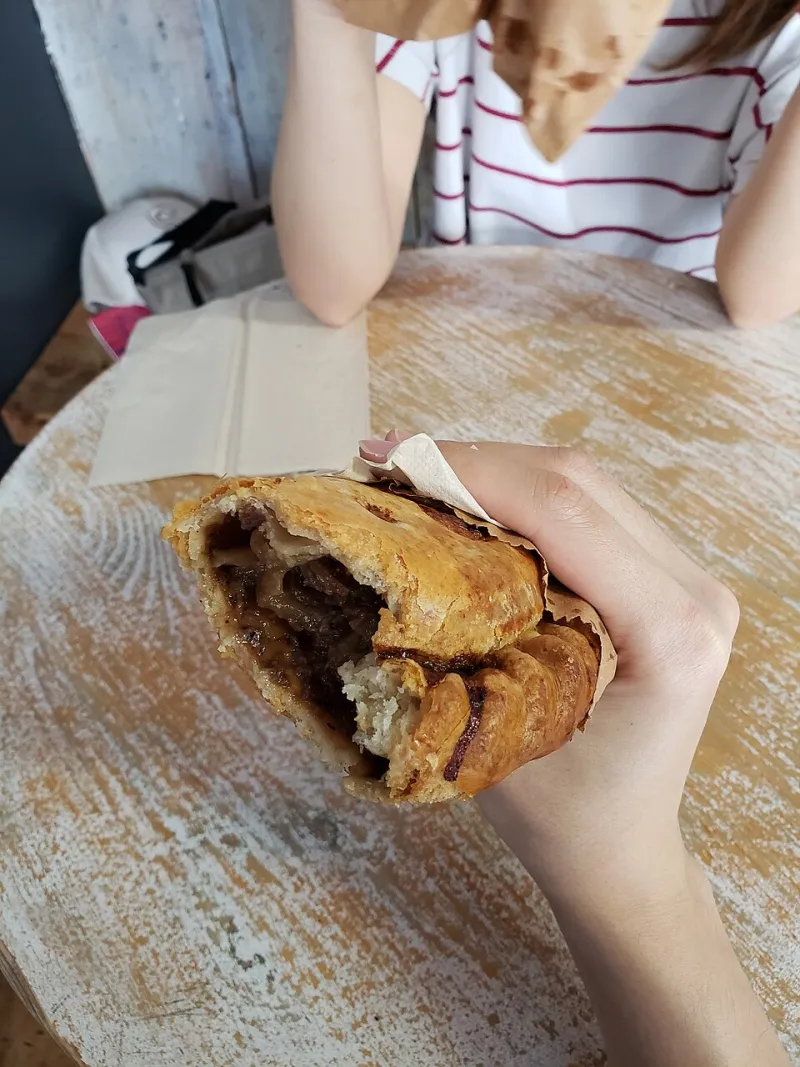
£3.50 a Pop or 82p a Crimp: The Real Cost of Your Pasty Habit, Worked Out Properly
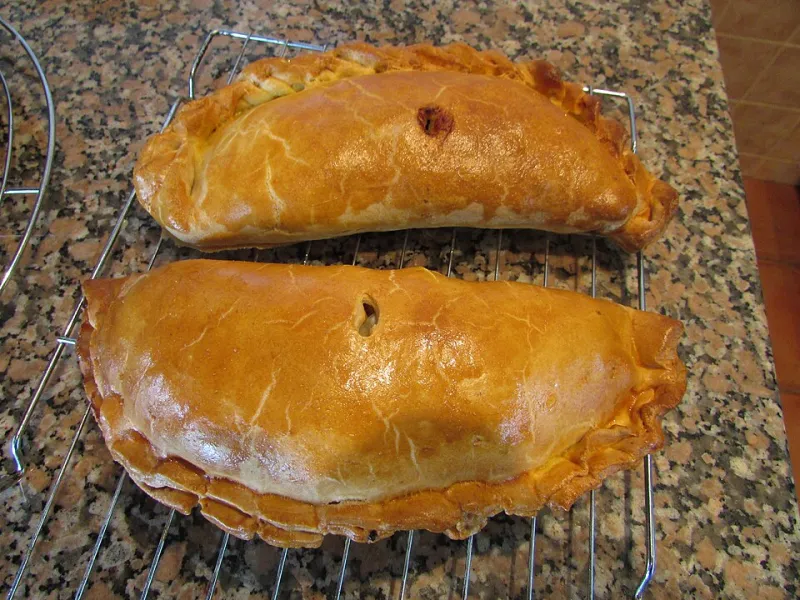
Photo: Kolforn (Kolforn) I'd appreciate if you could mail me ([email protected]) if you want to use this picture out of the Wikimedia project scope. This file is licensed under the Creative Commons Attribution-Share Alike 4.0 International license. Yo
There's a moment that happens to all of us, usually around 12:40pm on a Wednesday, standing in the meal deal aisle with a lukewarm pasty in one hand and mild shame in the other. You hand over £3.50 (or £4, if you've gone posh), and you tell yourself it's convenient. It's fine. It's lunch.
But is it? We decided to do the maths properly — receipts out, spreadsheet open, crimp-by-crimp — and the answer is enough to make you dust off the rolling pin.
The Meal Deal Maths Nobody Wants to Do
Let's start with the shop-bought baseline. A decent supermarket pasty runs you about £2.50 to £3. A bakery-chain pasty in a city centre? Closer to £4.50. Add a meal deal and you're nudging £4 a day, five days a week.
That's £20 a week. £80 a month. Over a working year, you're looking at the best part of £950 spent on lunches that range from 'perfectly fine' to 'why is the filling all at one end?'
We're not here to judge. We've all been there. But when we costed out the homemade alternative, the gap was genuinely embarrassing.
The Batch Bake Receipt, Itemised
Here's a real shopping list from a recent Saturday afternoon — sourced mostly from Aldi, with a butcher's stop for the good stuff:
- 500g plain flour (wholemeal, because we're The Healthy Pasty): 65p
- 250g butter or baking spread: £1.35
- 500g lean beef mince from the local butcher: £4.50
- 2 swedes: £1.20
- 3 large onions: 60p
- 4 potatoes: 75p
- Frozen peas, stock cube, seasoning from the cupboard: 40p
- 1 egg for glazing: 25p
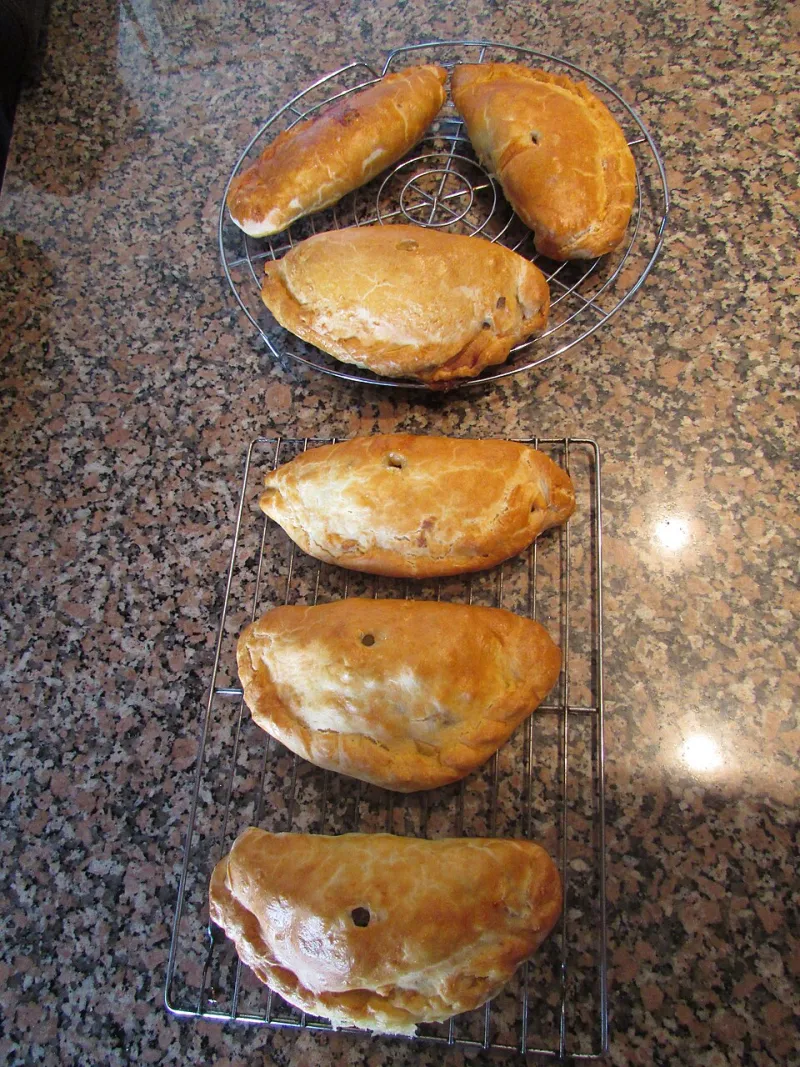
Total: £9.70. That made twelve decent-sized pasties — enough for a fortnight of weekday lunches, stashed in the freezer.
Per pasty: 81p.
Even if you bought everything at full price from a big four supermarket and treated yourself to proper butter, you'd struggle to push past £1.20 each. That's not a rounding error. That's a holiday fund.
Where the Budget Ingredients Come From
The trick to keeping costs down without sacrificing the crimp is knowing where to spend and where to scrimp:
Scrimp: Flour, onions and potatoes are commodities. Aldi and Lidl sell perfectly good ones — nobody has ever tasted a pasty and said 'ah, value-range onion.'
Spend: This is where the local butcher earns their keep. Ask for trim mince or braising steak offcuts; it's often cheaper than supermarket 'lean' mince and leagues better. Many butchers will do you a bulk deal if you mention you're batch cooking. Ours threw in a free pork chop and a strong opinion about suet.
Freeze smart: Swedes are cheapest in autumn and winter, but they keep for weeks. Buy when they're on offer, store somewhere cool, grate as needed.
The Hidden Savings
The sticker price is only half the story. A homemade pasty batch also:
- Kills the impulse spend. No more 'and a meal deal, and a meal deal, and a chocolate bar.'
- Cuts food waste. Sunday roast leftovers, the sad half-swede, the wilting veg drawer — all of it becomes filling.
- Buys back your lunch break. No queue, no choosing, no regrets. Grab, go, eat something you actually made.
The Honest Downsides (Because We're Not Selling You Anything)
A batch bake costs you about two hours on a weekend — roughly an hour of prep, an hour of baking. That's real time, and your first attempt at crimping will look like a toddler's craft project. Accept it. By pasty number six you'll have a rhythm, and by the second batch you'll wonder why you ever queued for a supermarket chiller cabinet.
There's also the energy cost of the oven — call it 60p a bake, which we've rolled into our numbers. Still comfortably under £1 a pasty.
Start This Weekend
If the £950-a-year figure made you wince, here's the gentle nudge: one afternoon, one big pan of filling, twelve crimps. Freeze half, eat half, and next Wednesday at 12:40pm you'll be the smug one in the office kitchenette, reheating something that cost less than a bus fare and tastes about ten times better.
Your wallet won't notice the difference. Your lunch definitely will.