Rucksack-Ready: Why the Pasty Was Born for the British Picnic
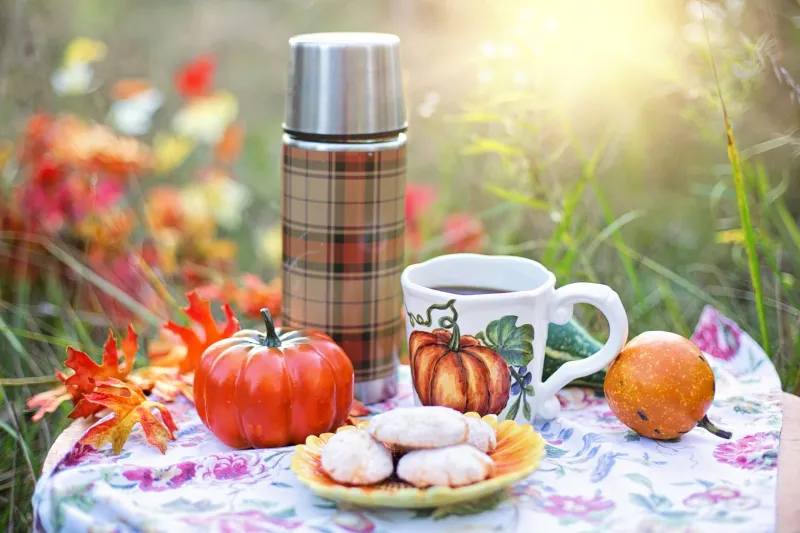
There's a moment on every good British day out — you've hauled the cool bag up the coastal path, claimed a bench with a view, unwrapped something slightly squashed and eaten it with sandy fingers anyway. That moment was made for a pasty.
We tend to think of the pasty as a bakery counter purchase, grabbed warm on a high street. But its origin story is pure picnic logic. Tin miners carried them underground because a pasty is a self-contained, hand-held, no-cutlery-required meal with a built-in handle. If that isn't the original pack-up, I don't know what is.
So this summer, let's give the pasty its rightful place at the centre of the picnic blanket — and make sure the version we pack is as wholesome as it is practical.
A Brief Ode to the Portable Meal
The pasty's design is genuinely clever. The thick crimped edge isn't decorative — it gave miners something to grip with dirty hands before discarding. The sturdy pastry casing protected the filling from bumps and bruises in a coat pocket for hours.
Translation for 2025: a well-made pasty will survive a rucksack, a deckchair and a game of rounders better than almost any sandwich you care to name. No soggy bread. No tragic mayo situation. Just structure.
Fillings That Travel Well
Not all fillings are created equal when the sun's out and the boot of the car is warming up. You want fillings that are firm when cool, not watery, and not reliant on being piping hot to taste good.
The reliable classics:
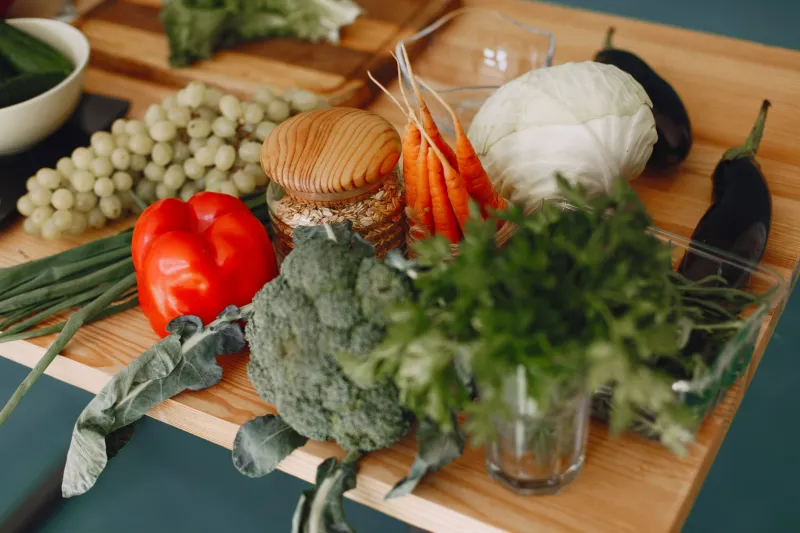
- Swede, potato and onion — the traditional trio holds beautifully at room temperature. Roast the veg lightly first so it doesn't weep moisture into the pastry.
- Chicken and leek with a mustardy wholegrain binding — use a thick sauce rather than a creamy one; think coating, not swimming.
- Roasted Mediterranean veg with chickpeas — make sure the veg is well roasted and drained so it doesn't steam the pastry from the inside.
- Smoked ham, mature cheddar and caramelised onion — cheese and pickle energy, but structurally sound.
What to avoid: anything very oily, anything with a loose gravy, and anything heavily egg-based if you're picnicking without a cool bag. Bacon and egg pasties are glorious — at home, eaten warm. On a beach in July, not so much.
Food Safety Without the Fuss
Nobody wants a conversation about bacteria at 1pm on Gyllyngvase Beach, but a few sensible habits mean you can relax.
Keep it simple: pasties are actually one of the safer picnic foods because they're fully cooked and low in moisture. Still, on warm days, don't leave them baking in direct sun.
Cool first, pack second: bake your pasties the day before, let them cool completely on a rack, then chill overnight. Packing them cold gives you a head start on the temperature battle.
The frozen trick: here's a baker's secret — pasties freeze brilliantly. Bake a batch, freeze them, then take them straight from the freezer into the cool bag on the morning of your trip. They'll have thawed to perfect picnic temperature by lunchtime and act as their own ice packs for the rest of the food. Meal prep and food safety, solved in one move.
Two-hour rule: as with any cooked food, once the sun's had its way, bin what's left or pop it back in the cool bag with an ice block. Your future self will thank you.
The Wholemeal Rucksack Test
We tested a batch of wholemeal-spelt pasties against the classic white flour version to see which survived a rucksack better. Honestly? The wholemeal won. The extra fibre gives the pastry a slightly more robust crumb that doesn't crack as easily when squashed between a thermos and a jumper.
Our go-to picnic pastry: half wholemeal, half plain flour, a good pinch of salt, and a ratio of butter to a small amount of lard or olive oil for flexibility. Roll it a touch thicker than you think you need — 4mm rather than 3mm — because a sturdy wall is what keeps the filling where it belongs.
Packing Like You Mean It
A few things that make outdoor pasty-eating a joy rather than a crumb-fest:
- Wrap in greaseproof paper, not cling film. The paper absorbs a little condensation and doubles as a plate.
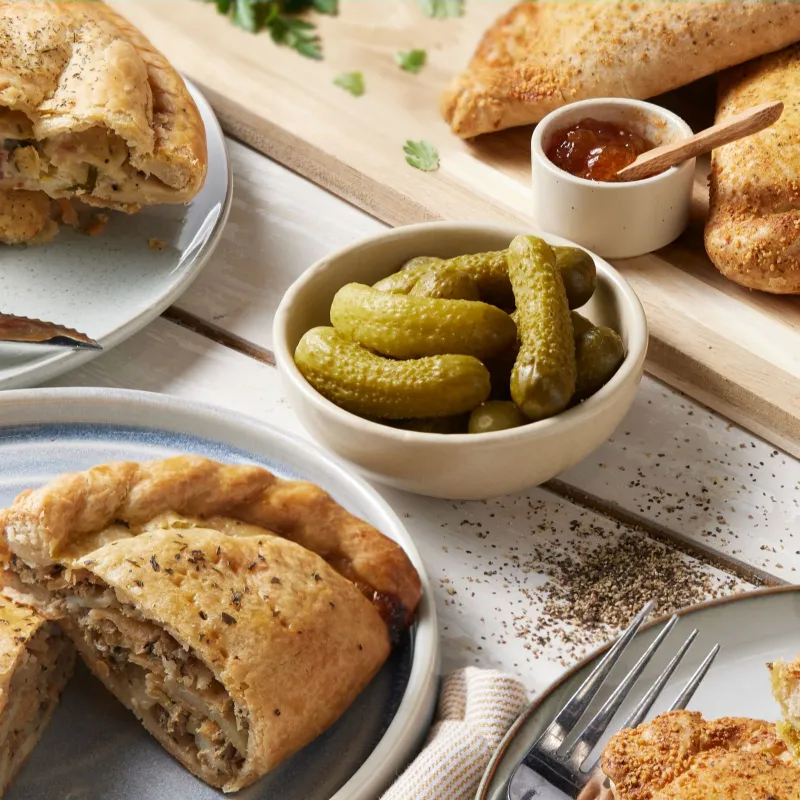
- Pack a small pot of piccalilli or a sharp apple chutney — a tangy dip lifts a room-temperature pasty beautifully.
- Bring a flask of tea. Obviously.
- Crimp your pasties on the side you'll hold, just as the miners did. Eat downwards from the top and the last bite is still the cleanest.
The Original Zero-Waste Lunch
There's something quietly satisfying about eating a meal that needs no packaging beyond its own pastry, no cutlery, no plastic tray. The pasty was sustainable before it was a buzzword — a complete, balanced meal that leaves nothing behind but a happy eater.
So this summer, when you're planning a beach day, a festival or a long walk with a view, skip the meal deal. Bake a batch the night before, freeze what you don't need, and carry Cornwall's greatest invention into the great British outdoors.
The miners knew. The picnickers are catching on.