Move Over, Cornwall: The Yorkshire Pastel Deserves a Seat at the Crimped Table
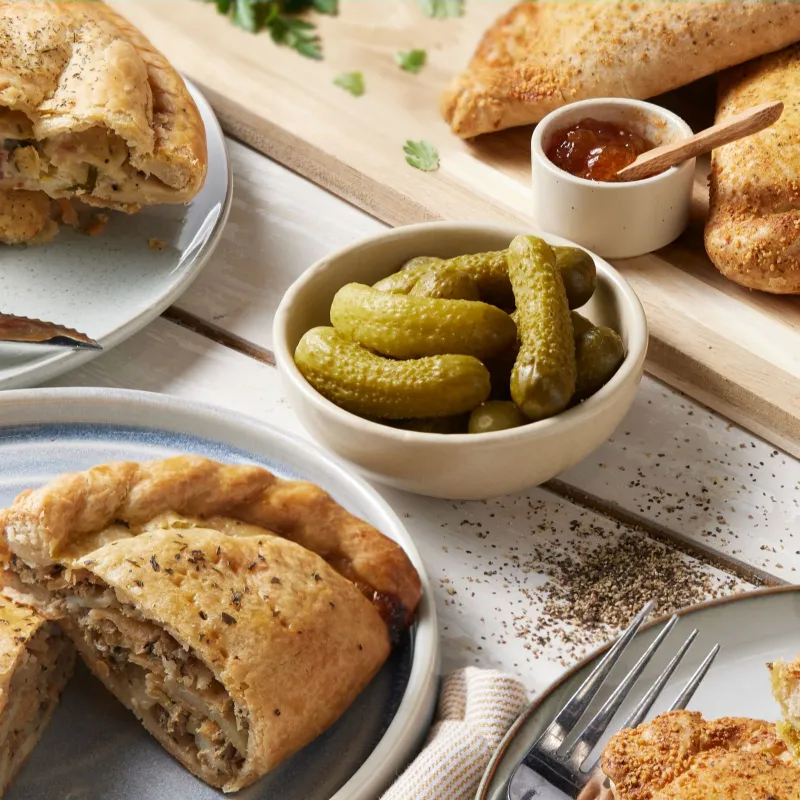
Photo: Yorkshire meat pastie hand pie rustic bakery counter, via qvc.scene7.com
I'm going to say something controversial, and I want you to hear me out before you reach for the comments section: the pasty is not actually Cornish property.
There. I've said it. And I'm from a family with a holiday home near Looe, so I'll be disowned at Christmas for this.
Hand-held pastry parcels stuffed with meat and vegetables are one of those ideas that industrial Britain simply needed, and when something is needed everywhere, it gets invented everywhere. Miners in Cornwall had their pasties. Pit villages in Yorkshire had the pastel — a squat, sturdy, utterly glorious cousin that deserves far more attention than it gets.
What Exactly Is a Yorkshire Pastel?
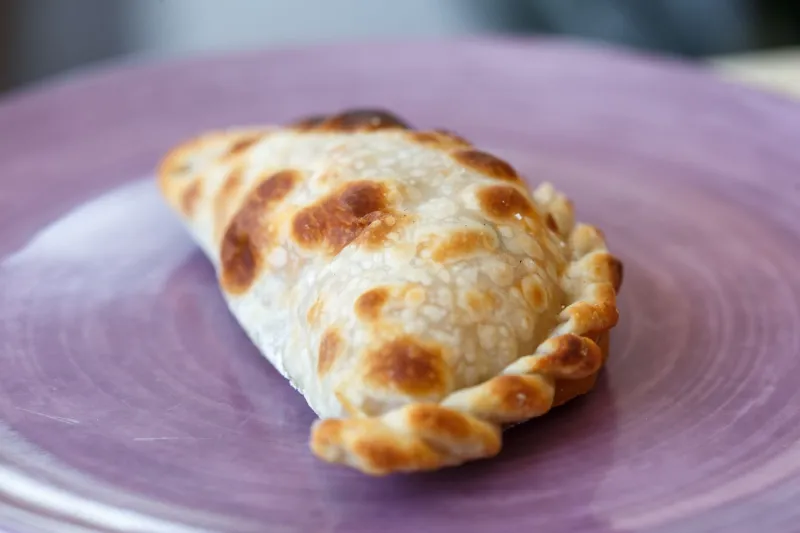
The Yorkshire pastel (sometimes spelled 'pastie' up north, which causes no end of confusion) is a small, round, double-crimped hand pie, traditionally filled with seasoned minced or diced meat and potato. Where the Cornish pasty is an elegant D-shape with a signature side crimp, the pastel is rounder, chunkier, and built like its makers: no nonsense, plenty of substance.
Like its Cornish relative, it was pit and mill food — portable, filling, and designed to survive a shift in a coat pocket. Some families swore by a savoury filling at one end and fruit at the other, mirroring the two-course tradition down in Cornwall. Others kept it simple: meat, spuds, onion, plenty of pepper.
The Bakers Keeping It Alive
I spoke to bakers across West Yorkshire about whether the pastel can survive the pasty's cultural dominance, and the answer was a resounding — if slightly defensive — yes.
"People come in asking for a Cornish, and I say, love, you're stood in Yorkshire, try ours," laughed one third-generation baker in Halifax, whose shop has been turning out pastels since the 1960s. "Ours is pebble-shaped, proper peppery, and it fits in your hand. What more do you want?"
Another baker in Wakefield told me the pastel's problem is purely one of marketing: "Cornwall got the PGI and the heritage railway. We got a pies-and-pasties counter behind the market. But ask anyone over fifty round here what they had for their dinner as a kid, and it weren't a Cornish."
That's the heart of it, really. Comfort food heritage doesn't belong to whichever region got the protected status first. It belongs to the pit villages, the mill towns, the market stalls and the grandmothers who rolled pastry on a flour-dusted kitchen table. Cornwall's pasty has earned its fame — but Yorkshire's pastel has earned its place.
The Friendly Rivalry Is the Point
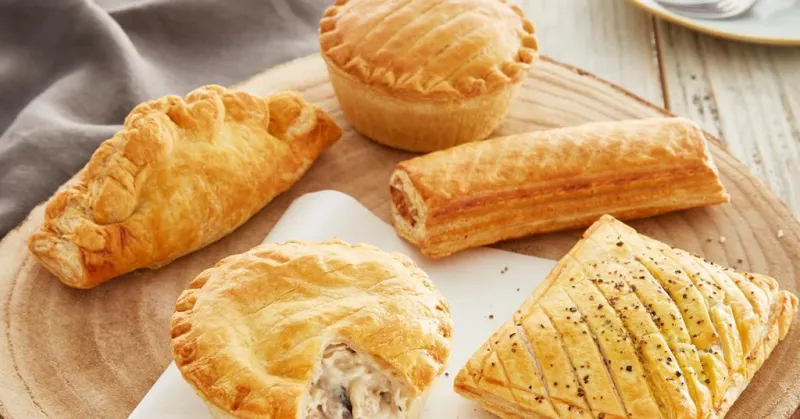
Look, this isn't about tearing Cornwall down. The Cornish pasty is a national treasure and the crimp is genuinely beautiful engineering. But British food culture is at its best when regions compete — Wensleydale versus Cheddar, the bap versus the barm versus the cob — and the pasty-versus-pastel debate deserves a seat at that table.
So here's my proposal: make both. Serve both. Let your family argue about it over tea. Democracy in pastry form.
Make a Yorkshire Pastel at Home (The Wholesome Version)
This is my lighter take, tested on my very Northern husband, who declared it "proper" — the highest praise available in our house.
For the pastry:
- 250g wholemeal plain flour
- 100g cold butter (or half butter, half Greek yoghurt, if you've read my other pastry ramblings)
- A pinch of salt
- Cold water, to bring it together
For the filling:
- 250g lean beef mince (5% fat works fine here — the pastry carries the richness)
- 2 medium potatoes, diced small
- 1 swede, diced small (non-negotiable)
- 1 onion, finely chopped
- Plenty of black pepper, a good pinch of thyme, salt
- A knob of butter or a spoon of stock to moisten
Method:
- Make the pastry, chill it for at least 30 minutes, then roll and cut four 18cm rounds.
- Mix the filling ingredients raw — that's traditional — seasoning generously.
- Pile the filling onto one half of each round, brush the edge with water, fold into a half-moon (or leave rounder and crimp the top, pastel-style), and crimp firmly.
- Cut a small steam vent, brush with beaten egg, and bake at 190°C fan for 45–50 minutes until deep gold.
- Rest for ten minutes. This is the hardest step. Be strong.
The wholemeal pastry gives a nuttier, more robust crumb that suits the pastel's no-frills character beautifully, and the lean mince keeps it weeknight-friendly without losing the peppery, warming filling that made it pit food in the first place.
A Toast to the Underdog
Britain's hand pies tell the story of the people who made them — and not all of those people lived south of the Tamar. So next time you're within reach of a Yorkshire bakery counter, skip the familiar and try the pastel. Then come back and tell me Cornwall's is better.
Bring evidence. And possibly a crimped sample.