Small Crimps, Big Problem: What the 'Diet Pasty' Gets Wrong About Comfort Food

Photo by Photo by Rob Wicks on Unsplash on Unsplash
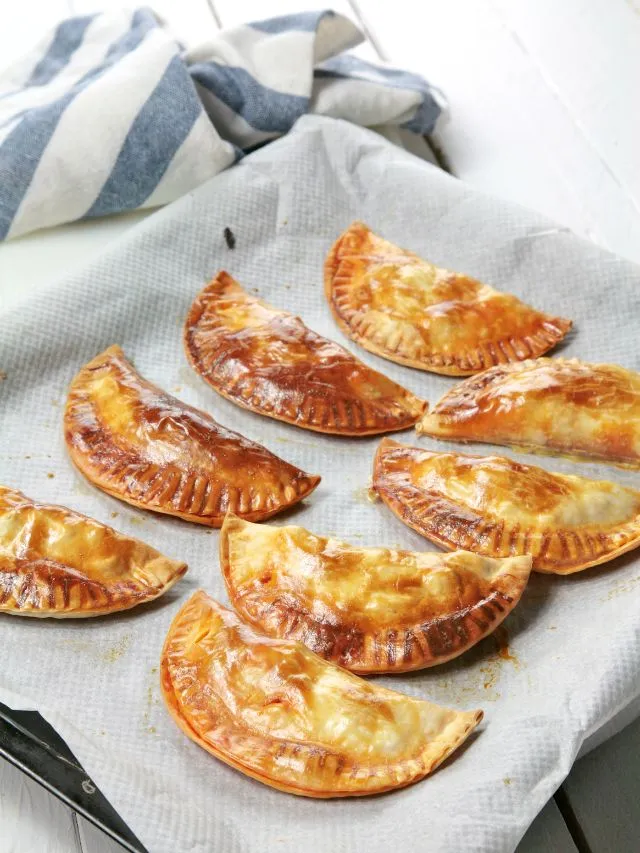
Walk into any major supermarket and you'll find it, sitting there in its sad little sleeve: the 'lighter' pasty. Thirty per cent less pastry. Forty per cent fewer calories. And, inevitably, about forty per cent less enjoyment.
I want to be clear from the off — I write about healthier pasties for a living. I'm the target audience for these products. And I still think they're getting it fundamentally wrong. Because the problem with Britain's favourite hand pie was never its size.
A Brief History of Eating Properly
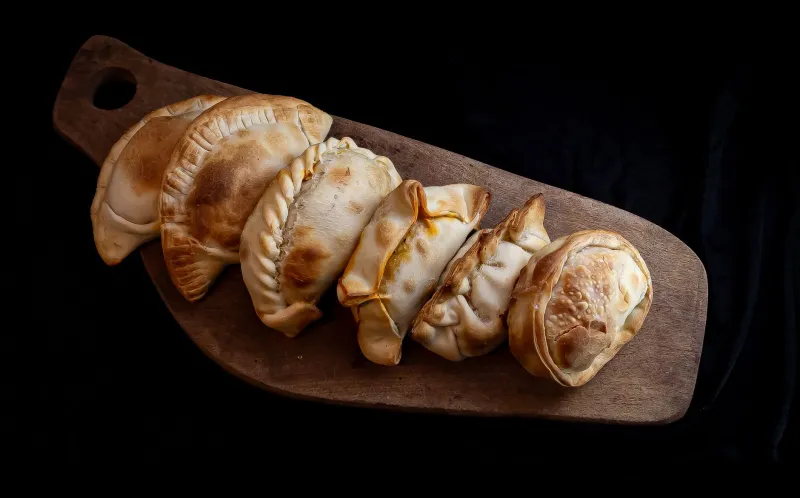
Here's the thing about the pasty: it was never a snack. It was a full meal, engineered by and for people who burned serious calories down a mine. The thick crimped edge existed as a handle you could hold with dirty or poisoned fingers, then discard. The filling was dense, balanced, and complete — carb, protein, and veg in one portable package.
In other words, the pasty was portion culture done right, two centuries early. One pasty. One proper meal. Eaten when you were hungry, doing work that demanded it.
Fast forward to today and we've inverted the whole logic. We've kept the pasty but shrunk it, treating a meal as a treat — then wondering why we're peckish again by three o'clock and reaching for a meal deal and a chocolate bar.
The Bakers Who Won't Budge
I rang two Cornish bakers to see if I was alone in this, and neither would have entertained downsizing for a second.
"If someone wants a smaller pasty, they can eat less of mine," one third-generation baker in Redruth told me, only half-joking. "What I won't do is sell them less pastry, less filling and less care, then charge them the same per gram and call it health. That's not baking. That's marketing."
A second baker, who runs a counter bakery near Falmouth and has spent two years developing a wholegrain pastry, put it more bluntly: "The lighter ranges aren't lighter. They're emptier. Take out the good beef, pad it with water and starch, shrink the whole thing — that's not a healthier pasty. That's a worse pasty."
The Case for a Proper Pasty
Here's my argument, plainly stated: a well-made, generously filled pasty with decent ingredients will nearly always serve you better than two or three 'light' ones.
Think about what actually keeps you full — protein, fibre, real food. A pasty built on quality lean meat or pulses, proper vegetables, and a pastry that isn't just refined flour and cheap fat delivers all of that. You eat one, you're satisfied until evening. That's not indulgence; that's a meal doing its job.
The diet pasty does the opposite. It's engineered to be eaten quickly and forgotten, leaving a calorie-shaped hole that gets filled with something worse an hour later. We've all been there.
Make Yours Better, Not Smaller
The good news is that this is entirely fixable in your own kitchen, and it's the whole philosophy behind our healthier pasty recipes:
- Upgrade the flour. Half wholemeal or a spelt blend adds fibre and a lovely nuttiness without losing the flake.
- Be generous with the veg. Swede, onion, leek, mushrooms — bulk out the filling with things that are good for you and taste like something.
- Choose better meat, use less of it. Lean grass-fed beef or leftover roast chicken stretches further when everything else in the pasty pulls its weight.
- Season properly. Bland 'light' food is the fastest route to the biscuit tin. Mustard, herbs, black pepper, a splash of stock — make it worth eating.
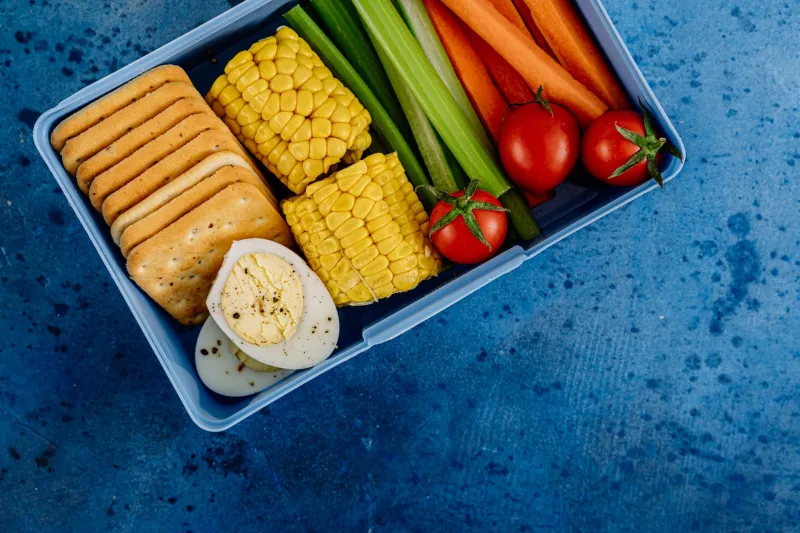
Then wrap it, chill it, and take it to work. One pasty. One proper lunch. Exactly as the miners intended, minus the arsenic handling.
The Bottom Crimp
Portion culture has a habit of treating symptoms rather than causes. We don't eat too many pasties because pasties are too big — we eat badly because so much of what's on offer is designed to be cheap, forgettable and insufficient.
The answer isn't a smaller pasty. It's a better one. Fill it properly, bake it honestly, eat it with your hands, and stop apologising for wanting a proper lunch.