Counting Calories Without Losing the Crimp: A Baker's Honest Guide to the Lighter Pasty
Let's be honest with each other: nobody picks up a pasty because they're chasing their macros. You pick one up because it's Friday, the week has been a lot, and nothing on earth smells quite like buttery shortcrust hitting a hot oven.
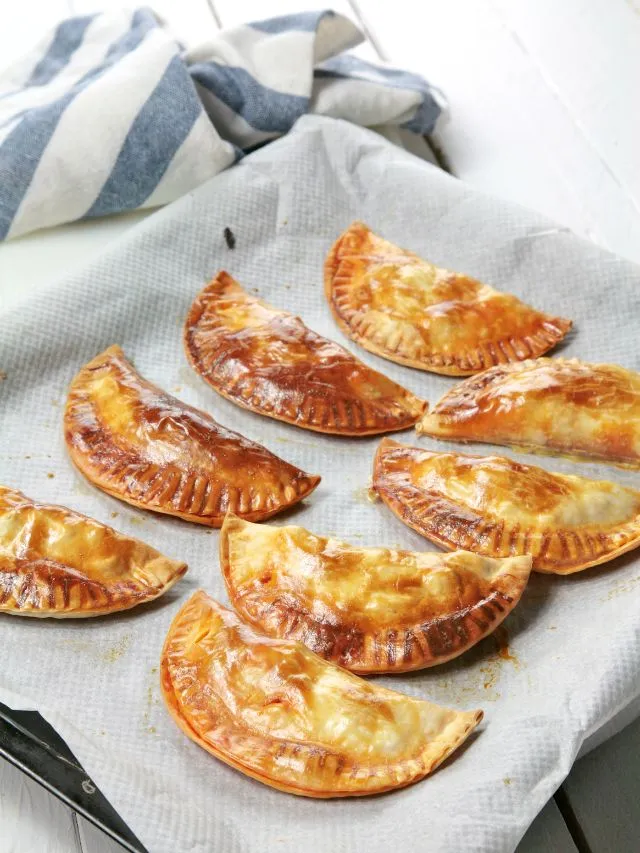
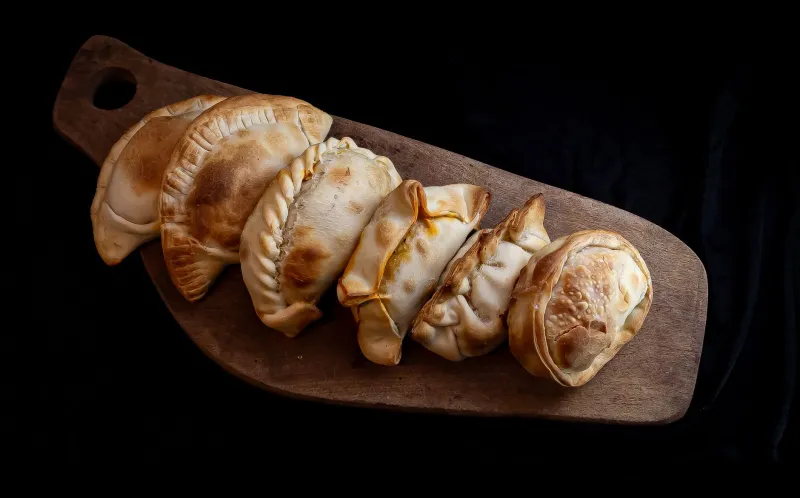
But here's the thing I've learned after a year of recipe-testing in my cramped kitchen in Bristol — the pasty is far more flexible than its reputation suggests. With a few smart swaps and a bit of arithmetic, you can shave a third of the calories off a traditional pasty without anyone at the table noticing. The crimp stays. The golden crust stays. The Friday night feeling stays.
First, Know Your Baseline
A standard bakery pasty — roughly 300g, all-butter shortcrust, skirt steak, swede, potato and onion — lands somewhere around 750–800 calories. Roughly half of that comes from the pastry, which means the pastry is where the clever work happens.
Here's the breakdown for a typical large Cornish:
| Component | Calories | Notes |
|---|---|---|
| All-butter shortcrust (170g) | ~460 | Flour, butter, water |
| Steak, potato, swede, onion (130g) | ~180 | Minimal added fat |
| Egg wash | ~20 | |
| Total | ~760 | Per pasty |
Not catastrophic, but not nothing either — especially if you're pairing it with chips and a pint, as tradition demands.
Swap One: The Yoghurt Pastry That Actually Works
I'll admit I was sceptical when I first saw Greek yoghurt pastry doing the rounds. It sounded like diet culture cosplaying as baking.
It isn't. It's genuinely good.
The method is simple: replace roughly half the butter with thick, full-fat Greek yoghurt, working it into the flour cold, just as you would butter. The yoghurt brings acidity and moisture, which means you need less fat to get a tender, rollable dough. Crucially, it still flakes. It still shatters. It still gives you that buttery edge when it hits the oven.
Per pasty, this swap alone cuts around 120–140 calories, and adds a little protein as a bonus. The dough is slightly softer to handle, so chill it well — a good half hour minimum — before rolling.
Swap Two: Portioning Without Feeling Short-Changed
Here's an unpopular opinion: the bakery pasty is simply too big. The original miners' pasty was a working lunch for a man swinging a pick underground all day. Most of us are swinging a laptop.
Roll your discs to 18cm instead of 22cm and you'll get six pasties from the same quantity of dough instead of four. Each one comes in around 400–450 calories with the yoghurt pastry — and because the filling-to-pastry ratio actually improves in a smaller pasty, nobody feels robbed. Serve two small ones with a big salad and you've still eaten less than one bakery giant.
Swap Three: The Baking Method Matters More Than You Think
A traditional pasty is often glazed with egg and sometimes brushed with melted butter before baking for that deep, glossy gold. Skip the butter brush and use just the egg white mixed with a splash of milk — you save 40-odd calories and the colour is barely different.
Bake on a preheated baking tray or pizza stone, too. A properly hot base means the pastry crisps from the bottom up, so you don't need to lean on fat for texture. And resist the air fryer for a full pasty — it works for reheating, but for the initial bake the oven's gentler, drier heat gives you a better crust.
The Three Lighter Versions, Compared
1. The Classic — 760 calories. All-butter pastry, full filling, egg wash. The benchmark. Enjoy it, guilt-free, occasionally.
2. The Yoghurt Pastry — ~620 calories. Same filling, same size, half the butter swapped for Greek yoghurt. My default for weekend baking.
3. The Slimmer Crimp — ~440 calories. Yoghurt pastry, 18cm discs, egg-white wash, baked hot on a stone. This is the one that lives in my freezer.
4. The Full Makeover — ~380 calories. Slimmer crimp plus a leaner filling: chicken thigh instead of beef skirt, extra swede and leek, a spoonful of wholegrain mustard for depth. Still recognisably a pasty. Still proper.
The Bit Nobody Tells You
After all this testing, the biggest lesson wasn't about calories at all. It's that a homemade pasty — even the full-fat version — beats most shop-bought ones nutritionally, because you control the salt, the fat and the size. Making them yourself is already the healthiest swap on the list.
So this Friday, make the yoghurt pastry version, cut them small, bake them hot, and crimp them proudly. Your calorie tracker and your Cornish soul can both be satisfied.