Wholemeal Crimps and Hidden Veg: We Tested 5 Pasty Swaps So You Don't Have To
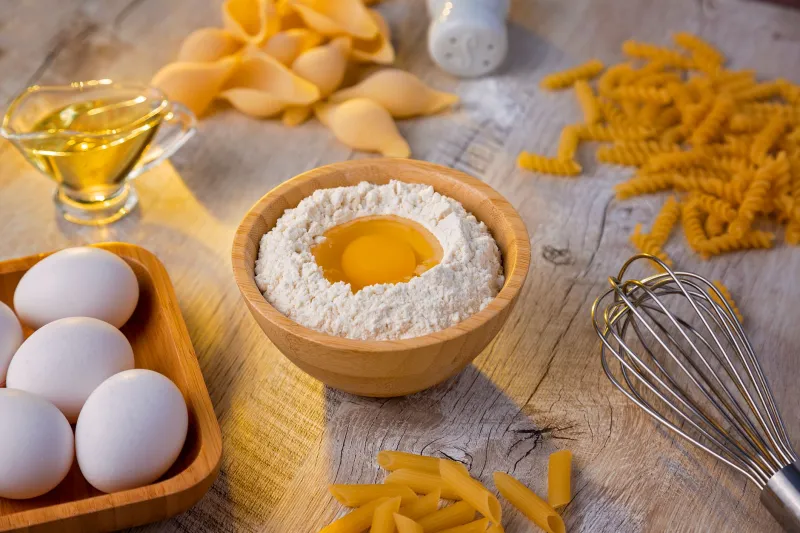
Photo: homemade wholemeal pasties on rustic wooden table with flour, via c8.alamy.com
There's a special place in every British heart for a proper pasty — that golden, hand-held parcel of comfort that's fuelled miners, school runs and seaside holidays for generations. But if you're trying to eat a bit better without giving up the foods you love, the traditional pasty can feel like a bit of a guilty pleasure. So we asked the obvious question: can you healthify a pasty without ruining it?
We spent a fortnight in The Healthy Pasty kitchen testing five swaps, feeding them to a brutally honest panel of friends, neighbours and one very sceptical father-in-law. Here's how it all went down.
Swap 1: Wholemeal Pastry Instead of White
The classic shortcrust is a thing of beauty, but wholemeal flour brings fibre, B vitamins and a nutty depth that white flour simply doesn't have. We tried a 50/50 wholemeal-to-white blend and a full wholemeal version.
The verdict: The 50/50 blend was the clear winner. It held together beautifully, crisped up nicely, and nobody noticed the difference until we told them. The 100% wholemeal pastry was denser and a bit crumbly at the crimp — worth it if you're after maximum fibre, but the blend is the sweet spot for everyday baking.
Our tip: Rest the dough for at least 30 minutes in the fridge. Wholemeal pastry benefits even more from a proper chill, and it rolls out far more cooperatively.
Swap 2: Half the Butter, Half the Fat
Traditional shortcrust can lean heavily on butter or lard. We halved the fat and made up the difference with a spoonful of natural yoghurt, which keeps the dough pliable and adds a subtle tang.
The verdict: Genuinely surprising. The yoghurt trick is an old baker's dodge that deserves more airtime. The pastry was slightly less flaky, sure, but it was tender, easy to work with, and cut the saturated fat meaningfully. The father-in-law went back for seconds. That's a pass.
Swap 3: Hidden Veg in the Filling
Grated swede is already traditional, so we pushed further: finely diced mushrooms to bulk out the beef, grated courgette stirred into the filling, and a handful of lentils padding out a veggie version.
The verdict: The mushroom-and-beef combination was the star — the mushrooms add umami and moisture, meaning you can use less meat without anyone feeling short-changed. The courgette released a bit too much water, so squeeze it first or your pastry will go soggy at the base. Lesson learned, so you don't have to.
Swap 4: Olive Oil Pastry
An olive oil pastry is a Mediterranean trick that slashes saturated fat entirely. We made a batch with extra virgin olive oil, wholemeal flour and a pinch of thyme.
The verdict: Honestly? It's a different beast. Lovely, but not a pasty pastry — more of a savoury hand pie. If you're flexible about tradition, it's delicious and keeps well for meal prep. If you want that proper crumbly shortcrust bite, stick with the yoghurt method.
Swap 5: Smaller Pasties, Bigger Flavour
The simplest swap of all: make them smaller. A standard bakery pasty can easily top 700 calories. We made palm-sized versions with the same filling-to-pastry ratio, and suddenly pasty night felt like a balanced lunch rather than a blowout.
The verdict: Pair two mini pasties with a big leafy salad and some pickled beetroot, and you've got a lunch that's genuinely satisfying. Bonus: they freeze brilliantly, making them ideal for batch cooking on a Sunday.
The Full Makeover Pasty
Want to try the winning combination? Here's the gist:
- Pastry: 50/50 wholemeal and plain flour, half the usual butter, a good spoonful of natural yoghurt, splash of cold water
- Filling: Lean beef mince (or brown lentils), onion, swede, finely chopped mushrooms, black pepper
- Method: Squeeze excess moisture from veg, don't overfill, crimp along one edge as tradition demands, brush with beaten egg or milk
- Bake: 200°C fan for around 35–40 minutes, until deep golden
Are the Swaps Worth It?
In a word: yes — with caveats. The wholemeal blend and yoghurt pastry are permanent fixtures in our kitchen now. The hidden veg trick works a treat as long as you manage the moisture. The olive oil pastry is a lovely thing, but it's a cousin of the pasty rather than a pasty itself.
The real takeaway is that wholesome comfort food isn't about sacrifice. It's about small, smart changes that let you keep the crimp and eat well too. Stick the kettle on, dust the worktop with flour, and give it a go this weekend.