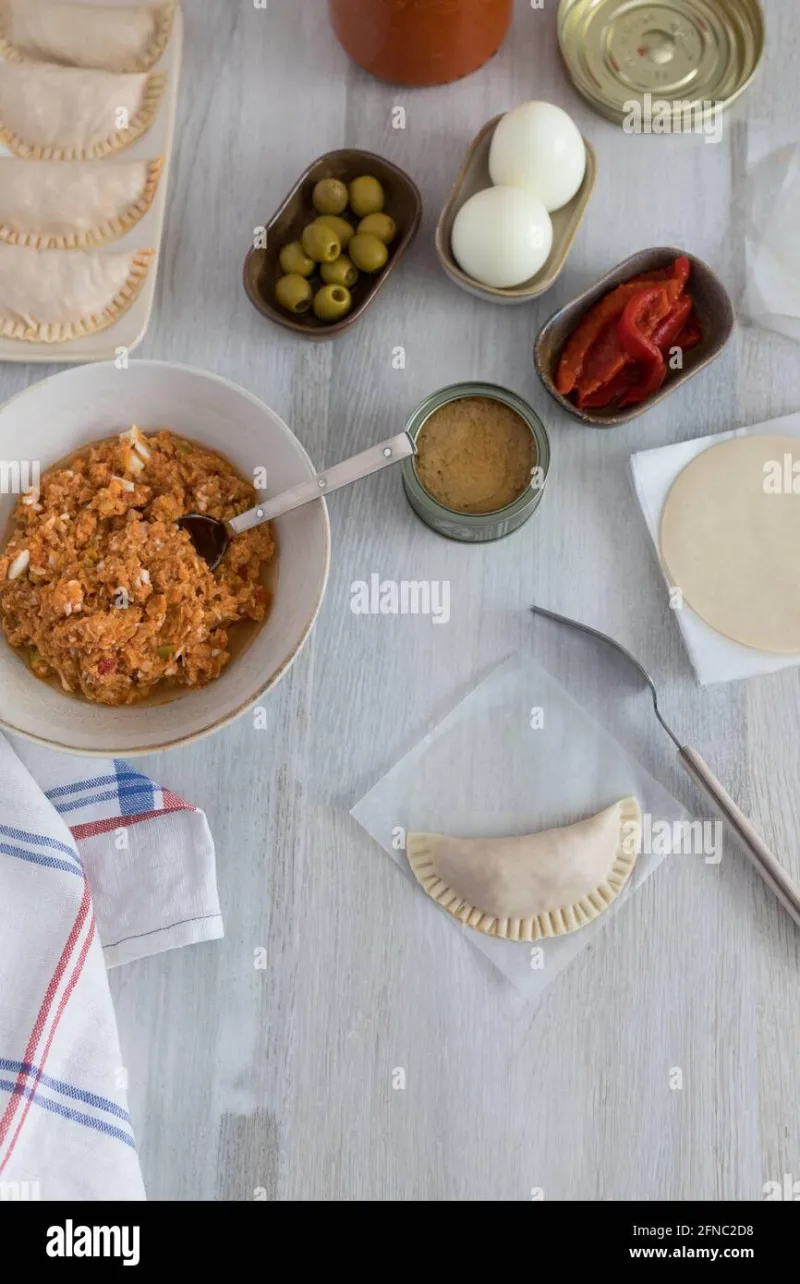
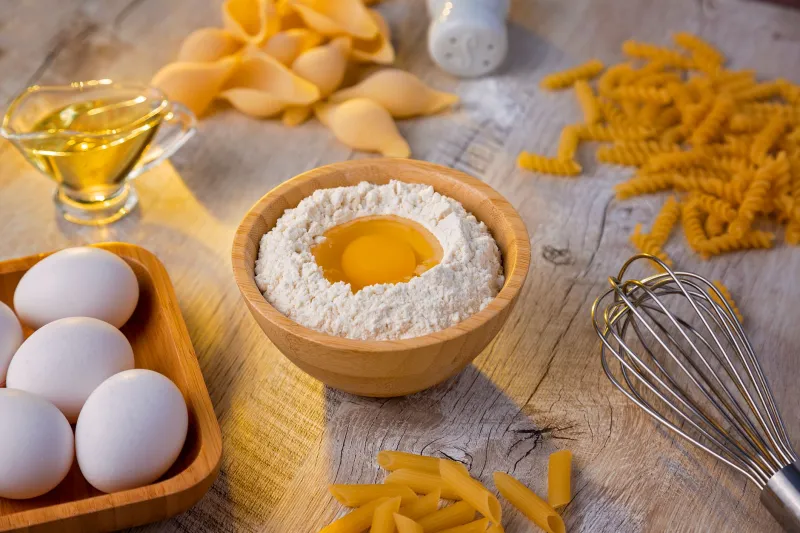
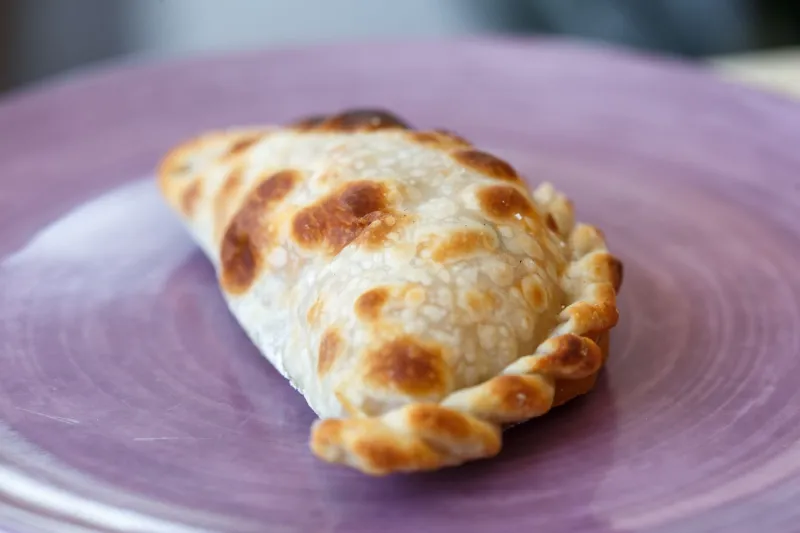
The One-Hour Sunday Plan That Turns Pasties Into Your Weekday Lunch Hero
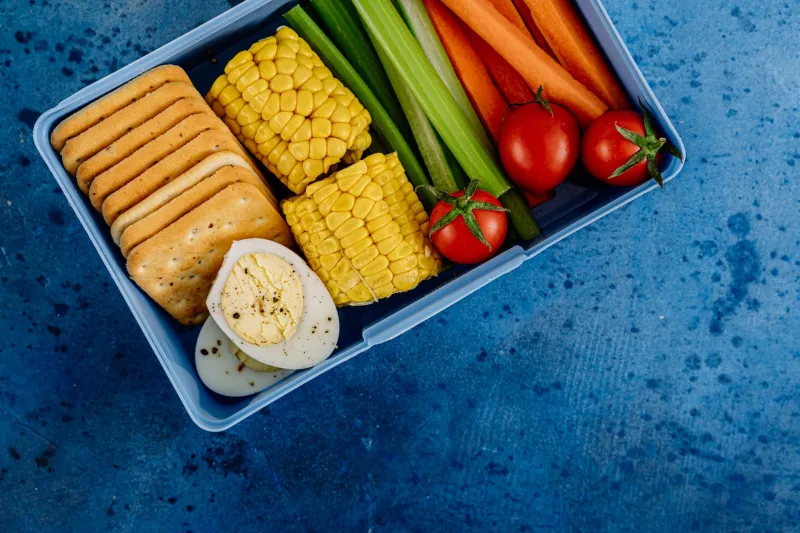
Let's do some quick maths. A supermarket meal deal averages £3.60 these days — more if you're going posh with the sandwich. Five days a week, that's £18. Now compare that to a batch of homemade pasties, where flour, spuds and frozen veg cost you pennies. Even with decent ingredients, you're looking at roughly 80p–£1.20 per pasty. That's a saving of over £300 a year for the same lunch slot.
Better still, a pasty is a self-contained, no-fork-required, survives-a-rucksack kind of lunch. It was literally designed for it — miners took them underground, after all. Here's how to make the pasty your lunchbox's best mate.
1. Master the Mini Pasty
Scale your usual recipe down to palm-sized pasties. They portion-control themselves, reheat faster, and freeze beautifully. One standard batch makes around ten minis — a fortnight of lunches.
2. Go Lower-GI With Your Pastry
Swap a third of your white flour for wholemeal or spelt. You'll get a nuttier flavour, more fibre, and a slower energy release — no 3pm crash at your desk. We tested this thoroughly and the wholemeal version actually crimps better.
3. Batch Your Fillings Separately
Cook double filling on a Sunday, cool it fully, then refrigerate for up to three days or freeze in portions. Assemble pasties fresh when you need them — raw-filled pasties freeze better than baked ones.
4. The Air Fryer Is Your Friend
Day-old pasty? Eight minutes at 180°C in the air fryer revives the pastry better than any microwave ever could. No air fryer? A dry frying pan over medium heat with a lid does a surprisingly good job.
5. Freeze Smart
Freeze unbaked pasties on a tray first, then bag them once solid. Bake from frozen at 190°C fan for around 55 minutes. Label with the date — they're best within three months, though ours never last that long.
6. Hide Your Veg
Grated courgette, finely chopped mushrooms and lentils disappear into a filling without anyone noticing. Great for fussy colleagues, better for your five-a-day.
7. Think Beyond the Lunchbox
Pasties travel well: picnics, train journeys, post-park picnics, hospital bags. Wrap in foil and they'll hold for hours at room temperature (eat within two hours in summer, mind).
8. Storage Science, Briefly
Cooked pasties keep three days in the fridge in an airtight container. Cool them completely before storing — trapping steam is how pastry goes soggy. A sheet of kitchen paper in the container absorbs stray moisture.
9. Spice Up Your Rotations
Batch different fillings so lunch never gets boring: chickpea-and-spinach on Monday, chicken-and-leek Wednesday, a smoky bean one for Friday. Freeze in labelled portions and mix and match.
10. The Crimp Is Non-Negotiable
A proper crimp isn't just tradition — it seals the pasty and gives you a handle for eating on the go. Learn the one-handed crimp and you'll never look back.
Your One-Hour Sunday Prep Plan
- 0–15 min: Make pastry, rest it in the fridge. Start your filling cooking.
- 15–30 min: Finish filling, cool it slightly. Prep your crimping station.
- 30–50 min: Assemble and crimp. Bake what you'll eat this week; freeze the rest raw.
- 50–60 min: Portion, label, and portion out any extra filling for next week.
One hour on Sunday, and your weekday lunches are sorted until Thursday — cheaper than a meal deal, better than a sandwich, and with considerably more crimp.