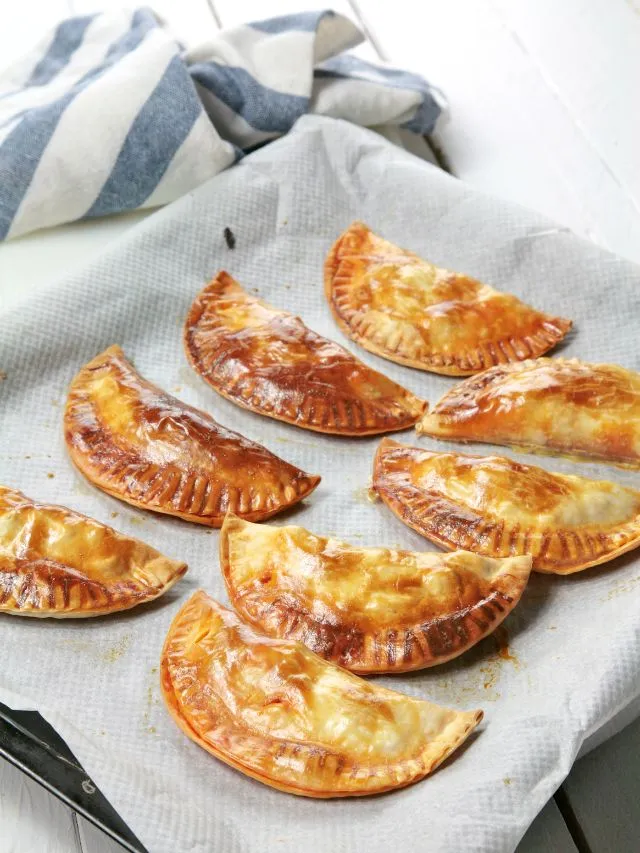
Don't Bin the Bird: Turning the Sunday Roast Into Monday's Best Pasty Filling

Photo: Eva Rinaldi, CC BY-SA 2.0, via Wikimedia Commons
There's a particular kind of sadness that hits around 8pm on a Sunday. The plates are stacked, the gravy boat is emptying, and you're eyeing up a third of a chicken, a spoonful of roasties and some tragic-looking carrots wondering whether they'll still be there on Wednesday. (Spoiler: they won't be. They'll be fuzzier.)
But here's the thing the Cornish miners worked out generations ago: leftovers in a pasty aren't a compromise. They're the whole point. The pasty was practically invented as a leftovers vehicle — a sturdy pastry case that turns Sunday's scraps into Monday's lunch. So let's do it properly.
The Golden Rule: Wet vs Dry
Before you touch the pastry, look at your filling and ask one question: is it wet or dry?
Wet mixtures (anything with gravy, sauce, or lots of moisture) need a thickener and a cool-down. Stir in a tablespoon of mashed potato or a sprinkle of flour, then chill the mixture for at least an hour. Cold, thick filling is the difference between a pasty that holds its crimp and one that weeps across the baking tray.
Dry mixtures (roast veg, nut roast, plain meat) need a binder and a bit of fat. A beaten egg, a spoonful of crème fraîche, or even a good dollop of leftover bread sauce will hold everything together and stop the filling tasting like yesterday's cardboard.
The Leftover-to-Filling Conversion Chart
Print this out. Stick it on the fridge. Thank us later.
| Leftover | Amount | Add | Result |
|---|---|---|---|
| Roast chicken, shredded | 200g | 2 tbsp gravy + 1 tbsp crème fraîche, chilled | Classic chicken-and-gravy pasty |
| Roast potatoes & carrots, chopped | 250g | 1 egg + 50g grated cheese | Cheesy veg-patch filling |
| Nut roast, crumbled | 200g | 1 tbsp cranberry sauce + 1 tsp wholegrain mustard | Sunday-best veggie option |
| Stuffing | 150g | 1 egg + splash of stock | Herby, binding-friendly base |
| Leftover gravy, thickened | 100ml | 1 tbsp cornflour slurry | Wet-mixture sauce base |
| Sprouts (yes, really) | 100g, finely sliced | 1 tsp butter + pinch of nutmeg | Surprisingly brilliant with chicken |
Aim for roughly 400g of filling per two pasties, and always — always — let it go completely cold before it touches the pastry.
Crimping for the Conditions
The crimp isn't just tradition; it's engineering. For wet fillings, crimp tightly and go for a double fold along the edge — it gives the pastry extra structure where the moisture will test it most. For drier fillings, a single crimp is fine, but press firmly: a loose seal lets steam escape unevenly and you'll end up with a split.
One tip borrowed from a bakery in Redruth: chill the crimped pasties for twenty minutes before baking. Firm pastry goes into the oven cold, sets quickly, and holds its shape beautifully.
The Maths That'll Make You Smug
Let's cost it out for a family of four, based on typical UK supermarket prices:
- Leftover chicken (a third of a £6 bird): £2.00
- Roast veg and potatoes that would've been binned: £1.20
- Flour, butter and a bit of suet for pastry: £0.80
- One egg and a splash of milk: £0.25
Total: £4.25 for four pasties — roughly £1.06 each.
Compare that to a meal-deal-plus-snack lunch at £4 a head, four days a week. If you batch-bake your Sunday leftovers into pasties even twice a month, you're saving a family of four around £47 a month. That's a decent chunk off the weekly shop, or — let's be honest — the beginning of a very good cheese fund.
A Word on Storage
Baked pasties keep for three days in the fridge and freeze brilliantly — cool them completely, wrap in foil, and freeze for up to three months. Reheat from frozen at 180°C fan for about 25 minutes and they'll taste near-fresh.
So next Sunday, before the washing-up takes over, grab a bowl and start shredding. The miners didn't let a scrap go to waste, and neither should you. Monday's lunch is already made — it's just waiting for a crimp.